Droplets of wisdom about the things I've learned in my practice and in life.
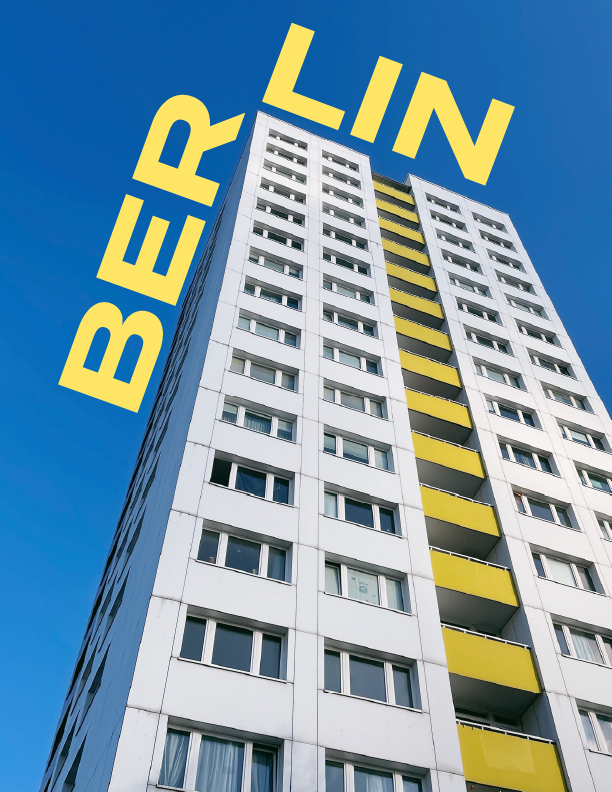
Berlin Plattenbau
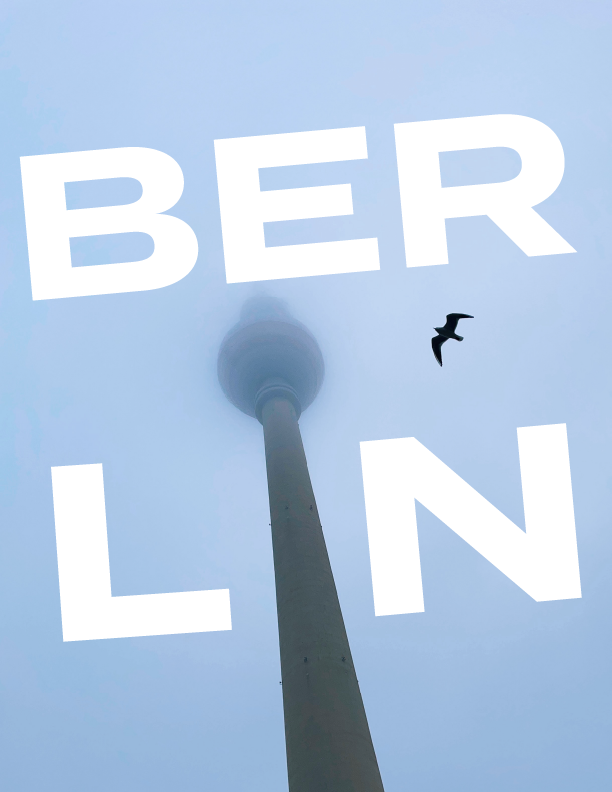
Fernsehturm
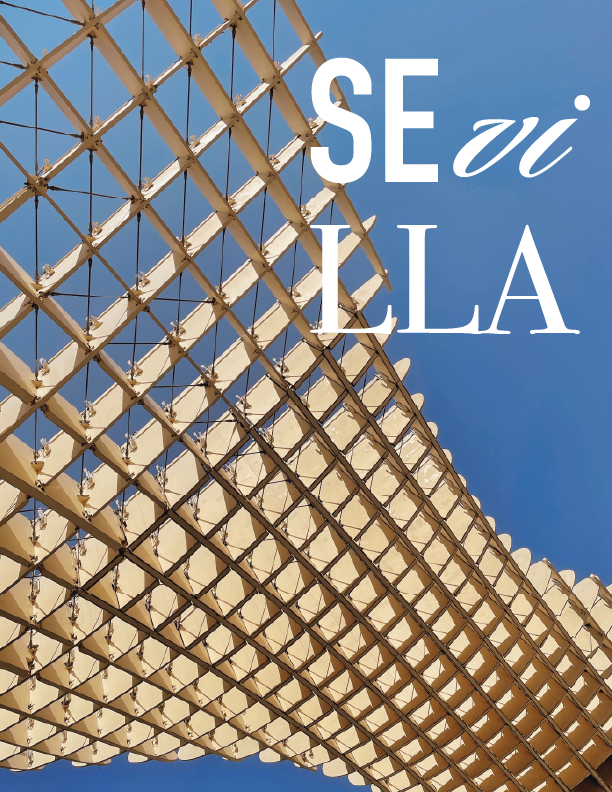
Las Setas
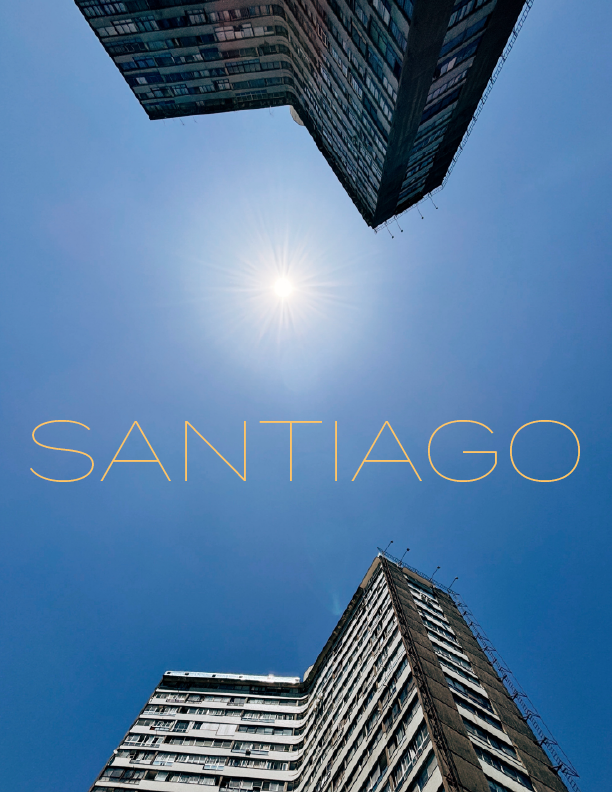
Torres Carlos Antunez
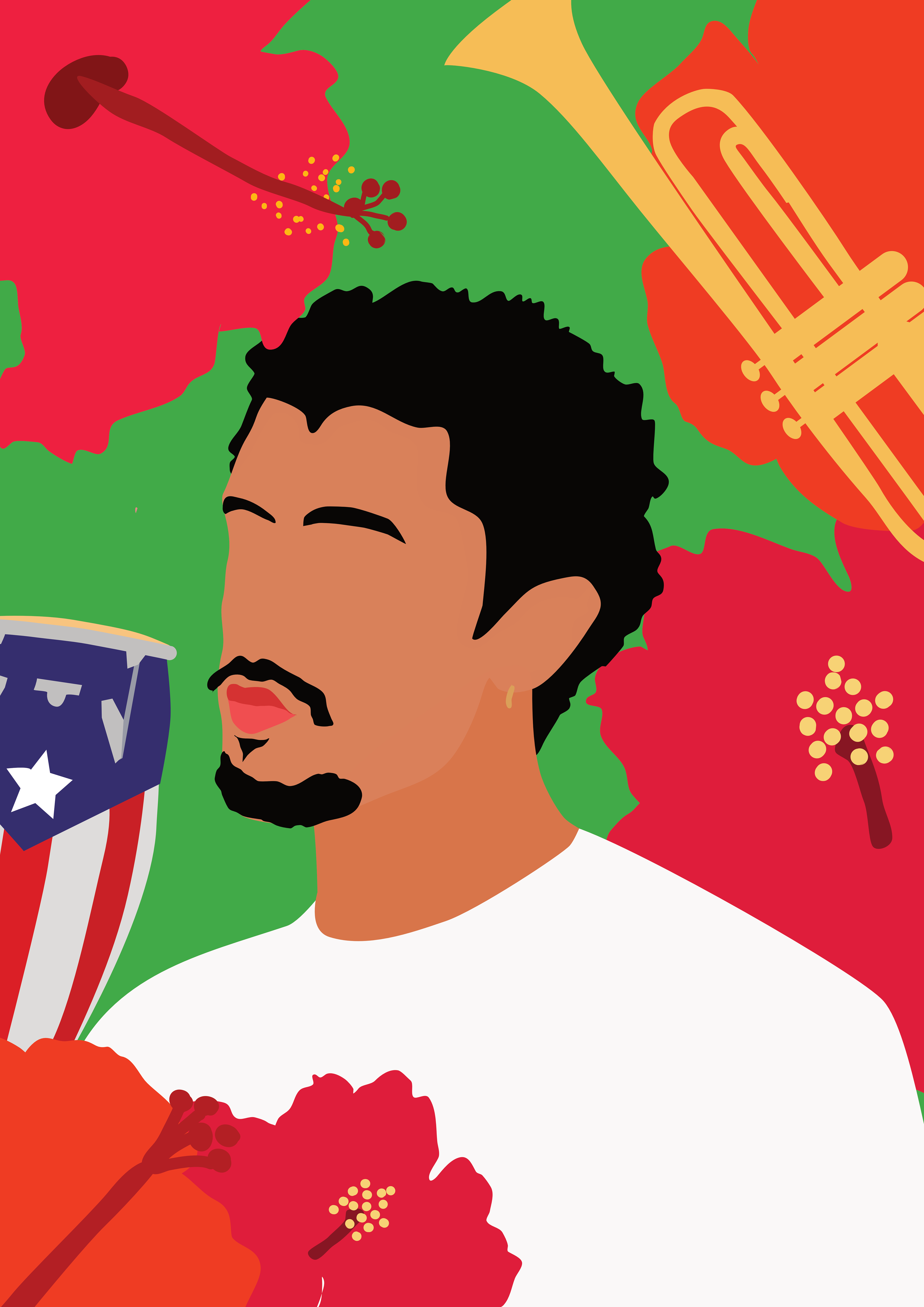
Ella no era así, no sé quien la dañó: A reflection of the Super Bowl Halftime by Bad Bunny.
I have never been a big fan sports, other than the occasional futbol match I'll watch for a championship finale or the world cup, nor a big pop music fan until very recently. I usually liked artists a few years after they were big because I've always been a little bit of a contrarian. I didn't even like reggaeton when the classics were popular when I was in high school. I only started loving reggaeton about ten years ago, which is when I stopped trying to "become white."
I had just graduated from University of Michigan and I finally had time to socialize because I had been working two jobs while going to school full-time. I started meeting other Chileans attending the university and started organizing get togethers and going to Bar Louie for Latin Fridays, and I must say, I wasn't a fan of it at first. I was used to going to alternative bars to dance to Depeche Mode, Blondie, Placebo, but something started happening at the Latin Fridays: something I cannot explain, an itch that came from within that made me enjoy La Gasolina and the intro just called me, if you know, you know. It took a few nights for me to shed all the shame I had about enjoying reggaeton, and a new journey began.
My friends and I spoke Spanish and just that made me change a lot of things, like I suddenly started caring less about my accent, my "racially ambiguous skin and features", even my body shape. I realized that my experience in Metro Detroit, while extremely important for my development and assimilation, didn't allow me to be me. A lot of the things that happened made me believe I am less than someone who was born in the US.
My English accent was a joke for a lot of people: Even in professional settings, my country seemed wrong, my makeup was too bold, my hair color was too dark (I was and I still am a goth, ok?), not knowing certain cultural references, or not enjoying certain things was just so wrong, so I learned the "right things". I also learn that to succeed I had to do the opposite of what I learned growing up, and my inability to say no, set boundaries, not taking offense when I heard racist comments and letting people walk all over me was the seal of approval to fit into the suburbs. I had no choice but to learn to be the well-behaved, quiet, model immigrant who had a discreet accent, worked, studied and didn't grieve her country because she was now in the US. While that sounds like the right things to do, and that mindset works for some people, it didn't fit me.
Now, there isn't a right or wrong way to be an immigrant, each experience is personal, but I couldn't continue living without admitting how much I missed my family, friends, foods, the mountains! It was almost too much and I didn't know it then but I would have to unlearn a lot of things in order to move to the next step.
This unlearning process began at the awkward time of the 2016 elections and we know how that went. A few years later I moved to New York City and lived in East Harlem. I loved my neighborhood because I could speak whatever I wanted. If I had to yell at someone for being rude, I could do it in both languages! I could watch telenovelas while doing my laundry at the laundromat, listen to JuanGa songs while doing my shopping, listen to an infinity of accents in both English and Spanish and they wouldn't be wrong. I didn't have to do it all in private. That's why leaving El Barrio all was so painful. I can't return to the suburbs, but that's a different story.
Anyway, the Bad Bunny halftime show put a lot of those references and things that people made me feel were wrong at the beginning of my life in the US on the table, and that was a beautiful moment. Whether you are the kind of Latin American immigrant who doesn't feel identified with the stereotypes, or embrace the every symbol of Latinidad, it's all good. What matters is like what Benito said, to dance without fear.
My friends and I spoke Spanish and just that made me change a lot of things, like I suddenly started caring less about my accent, my "racially ambiguous skin and features", even my body shape. I realized that my experience in Metro Detroit, while extremely important for my development and assimilation, didn't allow me to be me. A lot of the things that happened made me believe I am less than someone who was born in the US.
My English accent was a joke for a lot of people: Even in professional settings, my country seemed wrong, my makeup was too bold, my hair color was too dark (I was and I still am a goth, ok?), not knowing certain cultural references, or not enjoying certain things was just so wrong, so I learned the "right things". I also learn that to succeed I had to do the opposite of what I learned growing up, and my inability to say no, set boundaries, not taking offense when I heard racist comments and letting people walk all over me was the seal of approval to fit into the suburbs. I had no choice but to learn to be the well-behaved, quiet, model immigrant who had a discreet accent, worked, studied and didn't grieve her country because she was now in the US. While that sounds like the right things to do, and that mindset works for some people, it didn't fit me.
Now, there isn't a right or wrong way to be an immigrant, each experience is personal, but I couldn't continue living without admitting how much I missed my family, friends, foods, the mountains! It was almost too much and I didn't know it then but I would have to unlearn a lot of things in order to move to the next step.
This unlearning process began at the awkward time of the 2016 elections and we know how that went. A few years later I moved to New York City and lived in East Harlem. I loved my neighborhood because I could speak whatever I wanted. If I had to yell at someone for being rude, I could do it in both languages! I could watch telenovelas while doing my laundry at the laundromat, listen to JuanGa songs while doing my shopping, listen to an infinity of accents in both English and Spanish and they wouldn't be wrong. I didn't have to do it all in private. That's why leaving El Barrio all was so painful. I can't return to the suburbs, but that's a different story.
Anyway, the Bad Bunny halftime show put a lot of those references and things that people made me feel were wrong at the beginning of my life in the US on the table, and that was a beautiful moment. Whether you are the kind of Latin American immigrant who doesn't feel identified with the stereotypes, or embrace the every symbol of Latinidad, it's all good. What matters is like what Benito said, to dance without fear.